


What Makes an Olympic Stadium Work?
- Tahnia Miller

- Apr 13
- 3 min read
With Brisbane 2032 on the horizon, stadiums are firmly back in the spotlight.
We’ve seen what’s been delivered globally over the past decade, from Adelaide Oval and Optus Stadium here in Australia, to major international venues like Tottenham Hotspur Stadium and Mercedes-Benz Stadium, all designed to do more than just host sport. They’re built to drive tourism, activate precincts, and operate year-round.
But what does it actually take to deliver one?
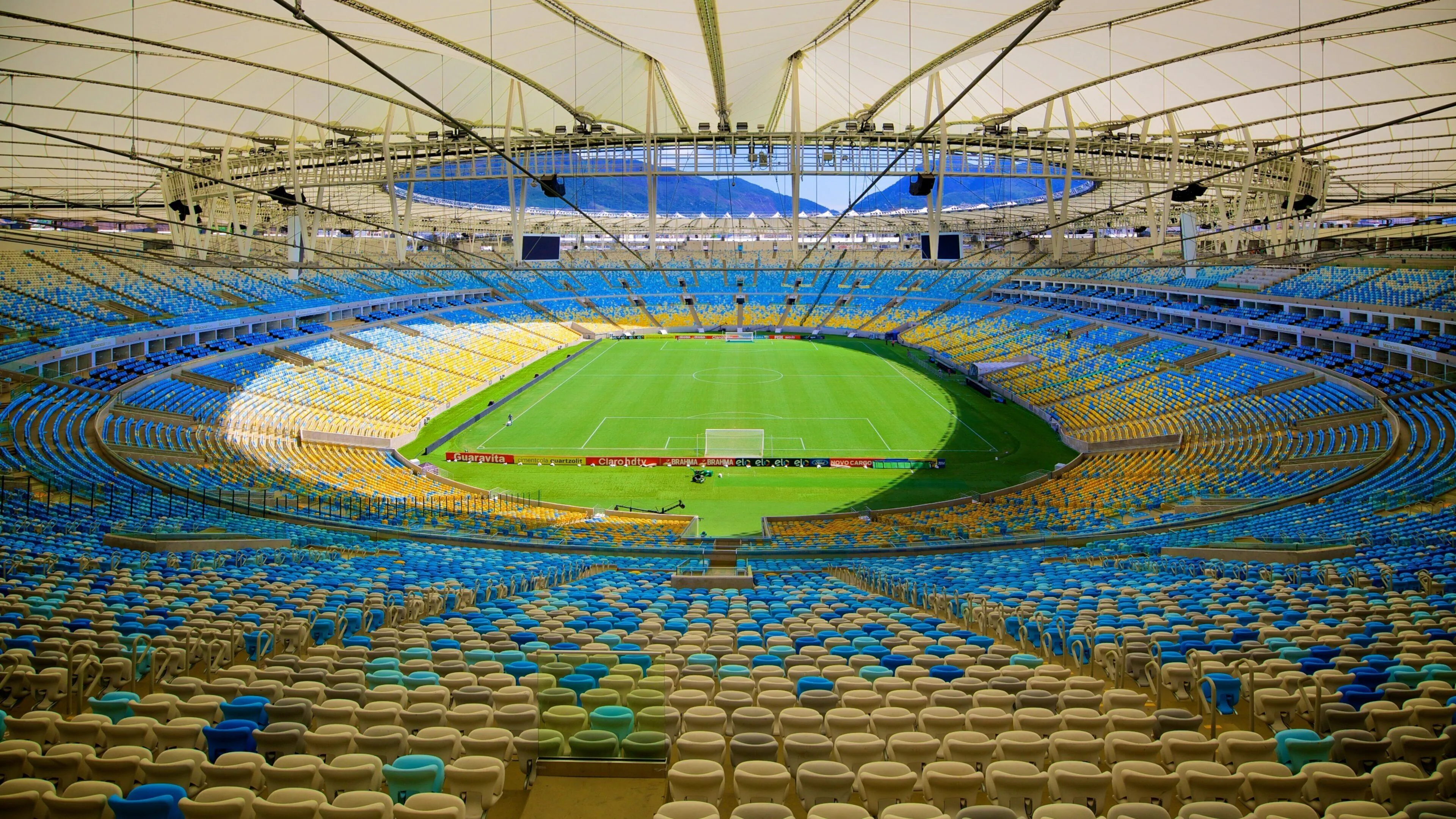
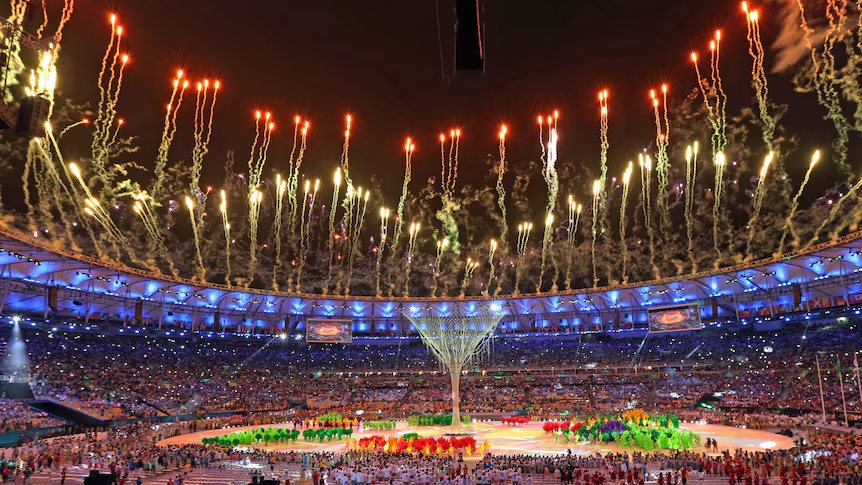
We caught up with Eduardo Poley, who was the Construction Project Manager on the $750 million redevelopment of Rio de Janeiro’s Maracanã Stadium ahead of the 2014 FIFA World Cup and 2016 Olympic Games.

Building a Modern Stadium Inside a 60-Year-Old One
Unlike many newer stadiums, Maracanã wasn’t a clean slate.
“Standards for international events are constantly evolving,” Ed explains. “Safety, technology, broadcast, sustainability and fan experience — they all change significantly from one event to the next. It becomes a moving target.”
That challenge is amplified when you’re working within an existing structure.
“In a brownfield environment, you’re constrained by a stadium that was designed decades earlier, under completely different assumptions.”
At Maracanã, heritage requirements meant the original concrete shell had to stay.
“The solution was to preserve, rehabilitate and enhance a 60-year-old structure while effectively building a new stadium inside it. That introduced enormous complexity in sequencing, risk and delivery.”
Even the way crowds behave today creates structural challenges.
“Imagine a stadium designed in the 1940s now hosting 80,000 people chanting and jumping in unison. The dynamic response can be alarming. Without significant adaptation, collapse is a real risk.”


Where Stadium Projects Go Off Track
While the finished product often gets the attention, Ed says the biggest risks sit much earlier.
“The initial concept is almost never what gets built,” he says. “Early stages are heavily influenced by private sector demands, planning constraints, Olympic requirements, transport, utilities, media and cultural stakeholders.”
In other words, the project is being pulled in multiple directions before construction even begins.
“This phase becomes largely political. It can take years, and in many cases, technical work done too early ends up being wasted.”
His view on what fixes this is blunt:
“This is where proper Early Contractor Involvement must occur. Full stop. Not a rushed token ECI. Not a last-minute phone call or quick Zoom. A properly resourced, full-time ECI – with accountability, authority and depth.”
That means embedding delivery expertise early across:
Construction
Programme and staging
Supply chains
Safety and risk
Stakeholder and interface management
“A properly structured ECI is an investment,” Ed says. “It significantly reduces the gap between concept and detailed design — a gap that otherwise leads to failure and cost overruns.”
The Games Independent Infrastructure and Coordination Authority (GIICA) have recently shortlisted two multi-national joint ventures for ECI works on the Victoria Park Stadium.
· Australia’s Built in partnership with SACYR
· Multi-nationals John Holland and BESIX Watpac
Each team will work independently with GIICA and the Stadium’s design team to review and propose solutions to deliver a world-class stadium. The final builder will be selected at the end of this process and announced later this year.
GIICA Executive General Manager Delivery, Brendon Richards has said of the process:
“Engaging two highly experienced construction teams at this stage of the design phase means we can rigorously test buildability, sequencing, risk and opportunity early.”
The Global Playbook: What Works Long-Term
The most successful venues aren’t standalone; they’re part of something bigger.
Adelaide Oval integrates into the Riverbank precinct and generates significant year-round tourism. Optus Stadium was delivered alongside rail infrastructure and pedestrian links to support major events. Internationally, venues like Tottenham Hotspur Stadium and Mercedes-Benz Stadium are designed for multi-use programming, from sport to concerts and global events.


Avoiding the “White Elephant”
For Ed, long-term success comes down to realism.
“First and foremost: location relative to demand. A 60,000-seat stadium in a small market is almost guaranteed to become a white elephant.”
He points to flexible design as a smarter approach, building for everyday demand, with the ability to scale up for major events and scale back afterwards.
Business case assumptions are another risk area.
“Long-term sustainability must be grounded in reality. Overly optimistic or knowingly unfeasible business plans inevitably fail and burden taxpayers.”

What This Means for Brisbane
Ed’s key takeaways for Brisbane are:
Avoid heavily retrofitting ageing stadiums where risks are difficult to predict
Deliver enabling infrastructure first — transport and utilities can’t compete with stadium works
Treat early project phases seriously, with proper ECI embedded from day one
Base long-term success on realistic demand, not short-term hype


Comments